
The Myth of “Not Enough Time”: Rethinking What Senior Adoption Really Gives You
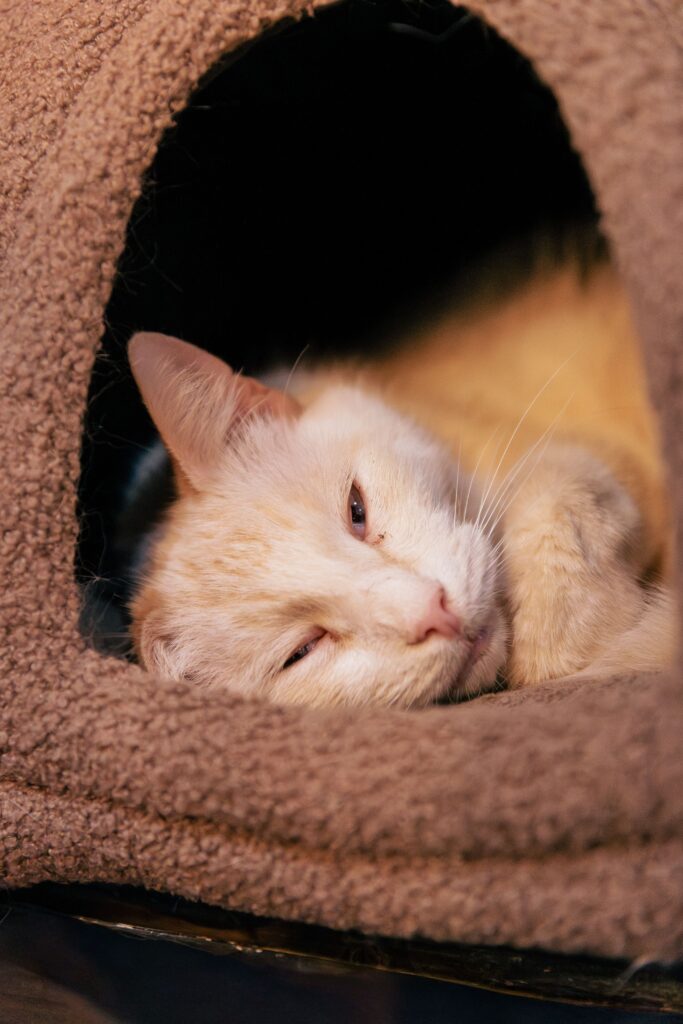
I’ve heard it more times than I can count. Someone’s face softens over a gray-muzzled dog or a slow-blinking cat with cloudy eyes. Then comes the pull-back. The quiet, almost apologetic step away.
“I couldn’t. I just couldn’t do it. There wouldn’t be enough time.”
I understand that fear. I really do. Loving something you know you’ll lose is one of the most vulnerable things a person can do, and the mind reaches for protection. It says: if I don’t start, I won’t have to end.
But I want to gently offer another way to look at this — because I think “not enough time” is one of the biggest myths keeping senior and special needs animals from finding homes. And I think it’s costing us something we don’t even realize we’re losing.
What “not enough time” is really saying
When someone says they can’t adopt a senior because there won’t be enough time, what they usually mean is: I don’t want to hurt.
That’s not selfish. That’s human. Anticipatory grief is real, and it’s protective. Our hearts try to spare us from something they’ve already imagined.
But here’s what I’ve come to believe, both from years of loving senior cats and from watching families move through this decision: the pain of loss isn’t proportional to the length of the relationship. It’s proportional to the depth of the love. You don’t hurt less when you lose an animal you had for fifteen years than when you lose one you had for two. You hurt because you loved. That’s the whole equation.
So when we ask “will there be enough time?” – what we’re really asking is “will it be worth it?”
And the answer, from someone who has walked this road more than once, is yes. Every single time, yes.
What senior adoption actually gives you
There’s a version of adoption we don’t talk about enough. It’s quieter than the puppy-and-kitten version. It’s slower. It has a different rhythm.
Senior animals often arrive already knowing who they are. Some have done the wild years in a loving home. Others have done them in ways that left marks. But by the time they meet you, the frantic edges have softened. What’s left is character.
Senior pets may arrive later in life, but they have a remarkable way of making themselves at home in your heart. You get straight to the part where they know your footsteps, and you know their preferred sleeping spot, and the two of you settle into a kind of understanding that younger animals are still working toward.
You also get to be the person. The one who showed up. For an animal who may have been overlooked, or surrendered late in life, or lost the only family they ever knew – you become the answer to a question they may have stopped asking.
That’s not a lesser adoption story. That’s one of the most sacred ones.
The math we’re not doing
Here’s something worth sitting with. If the average senior cat in a shelter has, say, three to five years of life left with a loving home — those years are almost entirely quality years. There’s no long adolescence. No behavior training curve. No wondering what they’ll become.
You know what you’re getting. And you get to give them, in return, what may be the best years of their entire life.
Meanwhile, the alternative isn’t “they wait for a better home.” Often, the alternative is that they don’t get one at all. Seniors are among the least-adopted animals in every shelter system in this country. When we pass them over because of the time question, we’re not choosing between one loving home and another. We’re often choosing between a home and no home.
That’s the part that changed everything for me.
Skywalker taught me this
I bottle-fed Skywalker from two weeks old. He was with me for seventeen years. By any measure, we had “enough time” – and I still wasn’t ready to lose him.
I’ll never be ready. That’s the truth about loving animals. You don’t get to be ready. You just get to have loved them, and then you get to keep loving them in the ways you can – through memory, through the animals who come after, through the work you do in their name.
Skywalker is why HAPI’s mission became what it is today. He’s why the Comfort Kit Project bears his name. Every senior we advocate for now is, in some small way, part of the ongoing conversation between us.
The time we had wasn’t enough. It was also everything. Both of those things are true.
A gentle invitation
If you’ve ever walked away from a senior animal because you were afraid of the ending, I want you to know I understand. There is no judgment here. The fear is real, and it comes from love.
But I also want to invite you to consider what could be waiting on the other side of that fear. A quieter, deeper love. A relationship that begins already knowing itself. A chance to be the answer for an animal who needs one.
The time will never feel like enough. It never does. But what happens inside that time – that is yours to keep, forever.
And I’ve come to believe that’s more than enough. That’s the whole point.
Happy Animal Project (HAPI) champions senior and special needs animals in shelters, rescues, sanctuaries, and homes through storytelling, education, and compassionate programs. If this post moved you, consider learning more about Skywalker’s Comfort Kit Project — where tribute gifts honor the animals we’ve loved and bring comfort to the seniors who are waiting.


